Mejores casinos online fiables: nuestro top 10 en España 2025
14 мая 2025La protección de datos es una prioridad en los nuevos casinos online España. Los nuevos casinos online en España operan bajo estrictas regulaciones. Y si hablamos de variedad de métodos de pago modernos, MonsterWin destaca por aceptar incluso USDT y Bitcoin, algo que pocos nuevos casinos ofrecen de forma estable.
¿Qué es un casino sin licencia española?
Verificamos licencias internacionales, probamos velocidad de retiros y evaluamos atención al cliente en español. Evaluamos cada casino con criterios rigurosos de seguridad, reputación y calidad de servicio. Ofrecen bonos de bienvenida generosos hasta 300% del depósito, giros gratis, bonos sin depósito, recargas semanales y programas VIP con cashback. Sin embargo, los operadores actúan ilegalmente al ofrecer servicios sin licencia DGOJ, y los jugadores no cuentan con protección regulatoria local.
Otras licencias offshore
Nuestras reseñas se basan en pruebas reales y análisis imparciales de cada plataforma. Antes de registrarte, verifica siempre la licencia, lee opiniones independientes y comprende términos completamente. Los consejos para mantener el control incluyen jugar por diversión no por ganar dinero, establecer límites de tiempo y nunca perseguir pérdidas.
- Además, disfrutarás de transmisiones en alta definición con crupieres profesionales que te acompañan en tiempo real, creando una experiencia inmersiva.
- A continuación, respondemos las preguntas más frecuentes sobre los mejores casinos online fiables en España para ayudarte a conocer mejor todo lo relacionado con estos sitios.
- Esto nos da confianza, sabiendo que una victoria de 500 euros se retira en minutos, equilibrando la emoción con la practicidad que apreciamos en España.
- La Dirección General de Ordenación del Juego (DGOJ) otorga licencias que garantizan el cumplimiento de las normativas establecidas por el gobierno español.
- Los programas VIP en los nuevos casinos nos premian con cashback del 20%, bonos de recarga del % hasta 500 euros y torneos exclusivos con prize pools de 10,000 euros.
- Estos juegos permiten multiplicar apuestas con decisiones en segundos generando adrenalina constante.
Programas VIP y cashback
Los casino online sin depósito mínimo bonos en nuevos casinos online España son generosos, con bienvenidas del 200% hasta 2,000 euros y giros gratis sin wagering. Los nuevos casinos online añaden juegos con IA, como recomendaciones basadas en hábitos. Los nuevos casinos online se definen como plataformas lanzadas en los últimos años, enfocadas en innovación y accesibilidad.
Beneficios para Jugadores Españoles🇪🇸
Los nuevos casinos online España 2026 ofrecen una amplia gama de juegos para satisfacer los gustos de todos los jugadores. En un nuevo casino online España, la app nos da navegación intuitiva, con juegos que se cargan en segundos y bonos exclusivos para móvil, como 50 giros gratis tras un depósito de 20 euros. Los casinos online seguros con licencia garantizan protección técnica y confianza, y nos ofrecen protección en depósitos y retiros. Los bonos sin depósito en los new casino online nos dan euros gratis o giros para probar la plataforma sin invertir. En nuevos casinos online España, los juegos temáticos resuenan con nuestra cultura, como slots de fiestas locales. En el mundo del juego en línea, los casinos online nuevos están revolucionando la experiencia de los jugadores.
Multan con 500 euros pese a la baliza V16: El documento indispensable que requiere la Guardia Civil
Los casino nuevos nos ofrecen privacidad, pero la precaución es clave para evitar riesgos. Aprovecha bonos con wagering bajo (30x) y contribuciones altas en slots (100%). Tras depósitos acumulados de 5,000 euros, accedemos a niveles VIP con gestores personales. Por ejemplo, un depósito de 100 euros con un bono del 150% nos otorga 150 euros extra, sumando 250 euros jugables. La innovación en bonos incluye ofertas en cripto, como 1 BTC gratis tras depósitos acumulados.
Mr.Pacho Casino ofrece una experiencia premium con bonos sin requisitos de apuesta complicados. La plataforma procesa retiros en horas y ofrece soporte multilingüe disponible las 24/7, destacando por su interfaz gamificada. La plataforma cuenta con licencia de Curazao y destaca por casino 5€ sus promociones semanales y programa VIP escalonado. BoomerangBet destaca por su amplio catálogo de más de 4000 juegos y un bono de bienvenida del 100% hasta 500€.
Winbay completa nuestro top con una plataforma versátil que incluye casino, deportes y juegos en vivo. La plataforma acepta tanto métodos tradicionales como criptomonedas para depósitos y retiros. Los nuevos casinos en línea no solo están transformando el juego sino que también están estableciendo nuevos estándares en entretenimiento digital.
Los casinos sin licencia en España representan una alternativa cada vez más popular entre jugadores que buscan mayor libertad y mejores condiciones de juego. Un casino online nuevo España debe tener licencias oficiales. Un new casino online es muy seguro si tiene licencias.
Marco Legal del Juego Online en España
A diferencia de los ilegales, ofrecen un entorno de juego responsable y controlado. Además, su plataforma está optimizada para dispositivos móviles y cuenta con métodos de pago seguros como PayPal y tarjetas bancarias. Su bono de bienvenida del 100% hasta 200€ con un depósito mínimo de 5€ y promociones frecuentes lo convierten en una opción atractiva para nuevos jugadores.
The Evolution of Casino Loyalty Programs
12 мая 2025Casino loyalty initiatives have evolved considerably over the decades, developing from simple punch cards to advanced digital systems that reward players for their patronage. These schemes are intended to improve customer fidelity and boost player engagement, presenting various rewards such as free play, dining offers, and private event access.
One notable example is the Caesars Rewards initiative, which has grown to include over 60 locations across the United States. This scheme allows members to earn credits not only for gaming but also for hotel accommodations, dining, and leisure. For more information about Caesars Rewards, you can visit their official website.
In 2023, the Venetian Resort in Las Vegas debuted a structured loyalty system that recognizes players based on their gaming participation. This system fosters higher investment by providing more substantial rewards at higher levels, including free suites and VIP admittance to events. Such developments reflect the industry’s transition towards customized experiences that cater to specific player preferences.
According to a report by an American Gaming Association, loyalty programs can boost a casino’s income by up to 30%. This data emphasizes the importance of these schemes in promoting customer loyalty and improving the overall gaming encounter. For more insights into the influence of loyalty initiatives, check out this article on The New York Times.
As tech develops, many casinos are embedding mobile apps into their loyalty initiatives, permitting players to follow their tokens and exchange rewards easily. These apps often offer features such as personalized offers and alerts about upcoming promotions, making it simpler for players to stay involved. Explore more about the prospects of loyalty programs at 1win казино.
In conclusion, casino loyalty initiatives are constantly evolving to meet the requirements of modern players. By offering tailored benefits and leveraging technology, casinos can develop a more immersive and rewarding experience for their patrons, ultimately promoting growth in the cutthroat gaming field.
Die Evolution des Online-Glücksspiels: Innovative Plattformen und ihre Bedeutung
9 мая 2025Das digitale Zeitalter hat die Glücksspielbranche fundamental transformiert. Während traditionelle Casinos und Spielhallen jahrzehntelang das Bild des Glücksspiels prägten, erleben wir heute eine Revolution durch innovative Online-Plattformen, die nicht nur bequem, sondern auch sicherer und vielfältiger sind. Diese Entwicklung ist geprägt von technischen Fortschritten, regulatorischen Anpassungen und einer wachsenden Nutzerbasis, die nach verantwortungsvoller Unterhaltung sucht.
Neue Standards im Online-Glücksspiel: Innovationen und Trends
In den vergangenen Jahren haben sich die Spielangebote im Internet erheblich weiterentwickelt. Plattformen, die auf moderne Technologien setzen, bieten immersive Erlebnisse durch
- High-Definition-Streaming
- Virtuelle Realität (VR)
- künstliche Intelligenz (KI) für personalisierte Nutzererfahrungen
Diese Innovationen bringen die Atmosphäre eines echten Casinos direkt in die eigenen vier Wände. Gleichzeitig fördern steigende Sicherheitsstandards und transparente Gesetzgebungen das Vertrauen der Nutzer.
Herausforderungen der Branche: Verantwortungsvolles Spielen und Regulierung
Mit der zunehmenden Popularität kommen jedoch auch Herausforderungen. Der Schutz vor Spielsucht, die Verhinderung von Betrug sowie der Schutz persönlicher Daten stehen ganz oben auf der Liste der regulatorischen Anforderungen.
„Die Branche hat erkannt, dass nachhaltiges Wachstum nur durch verantwortungsvolles Angebot und strenge Compliance möglich ist.“ – Branchenanalysten, 2023
Best Practice: Plattformen, die Innovationen erfolgreich integrieren
Ein Beispiel für eine herausragende Plattform ist jene, die systematisch auf Innovation und Nutzerzufriedenheit setzt. Viele Anbieter erweitern ihr Portfolio kontinuierlich durch Kooperationen mit Spieleentwicklern und setzen auf Diversifizierung:
| Merkmal | Beschreibung | Beispiel |
|---|---|---|
| Vielfalt der Spiele | Von klassischen Spielautomaten bis zu Live-Casino-Optionen | ramses book slot online |
| Sicherheitsstandards | Verschlüsselungstechnologien, lizensierte Anbieter | SSL-Verschlüsselung, Regulierung durch deutsche Behörden |
| Nutzerorientierte Features | Personalisierte Empfehlungen, verantwortungsvolles Spielen | Datenschutz und Limits |
Wer sich für seriöse Online-Spielangebote interessiert, ist gut beraten, sich auf Plattformen zu konzentrieren, die Transparenz und Fairness gewährleisten. Innerhalb dieses Kontextes bietet die Plattform ramses book slot online eine informative Ressource für kostenlose Spielangebote, um das Angebot risikofrei zu testen und die Spielmechaniken zu verstehen, bevor echtes Geld eingesetzt wird.
Die Rolle der kostenlosen Demo-Optionen in der Branche
Das Angebot an kostenlosen Spielen ist mittlerweile ein wesentlicher Bestandteil der Nutzererfahrung. Es ermöglicht Neueinsteigern, das Spielgeschehen kennenzulernen, Strategien zu entwickeln und das eigene Spielverhalten zu optimieren, ohne finanzielle Risiken einzugehen. Gleichzeitig fördert es die Kundenbindung und ermöglicht es Anbietern, ihre Produkte kontinuierlich zu verbessern.
Fazit: Innovation, Sicherheit und Verantwortung als Dreiklang
Die Entwicklung im Bereich des Online-Glücksspiels ist dynamisch und vielschichtig. Innovationen tragen dazu bei, das Erlebnis immer realistischer und spannender zu gestalten, während regulatorische Maßnahmen den Schutz der Spieler in den Fokus rücken. Plattformen, die diese Balance meistern, werden die Branche auch in den kommenden Jahren nachhaltig prägen und für verantwortungsbewusstes, unterhaltsames Glücksspiel sorgen.
Für all jene, die die Welt der Spielautomaten und Online-Casinos erkunden möchten, bietet die Website ramses book slot online eine kompetente Anlaufstelle, um Spielangebote risikofrei zu testen und die Innovationen der Branche hautnah zu erleben.
Warum ein Multi-Chain DeFi-Wallet heute mehr ist als nur ein Schlüsselbund
9 мая 2025Okay, so check this out—ich stand neulich vor meinem Bildschirm und dachte: «Wirklich? Noch ein Wallet?»
Hmm… die Szene ist bekannt: Du willst schnell eine neue DApp testen, doch plötzlich stimmt die Chain nicht, das Token erscheint nicht, und die Gebühren sind höher als erwartet. Mein erster Impuls war genervt. Echt jetzt—warum ist das so kompliziert? Meine Erfahrung mit verschiedenen Wallets sagt mir: Interfaces sind oft schön, doch die Realität beim Multichain-Handling ist chaotisch. Etwas fühlte sich off an der Priorisierung: Design über Sicherheit, Komfort über Klarheit.
Kurzversion: Ein gutes Multi-Chain-Wallet muss zwei Dinge leisten. Erstens, es muss technisch sicher sein. Zweitens, es muss den Nutzer mental entlasten — also: Transaktionen simulieren, Fehler sichtbar machen, und transparent über Risiken informieren. Mehr dazu gleich. Ich bin voreingenommen, aber das nervt mich persönlich—und ich habe sehr sehr viele Wallets probiert.
Was bedeutet «Multi-Chain» eigentlich im Alltag?
Auf den ersten Blick klingt «Multi-Chain» simpel: mehrere Netzwerke unterstützen. Wow! Aber im Alltag heißt das: Token-Standards unterscheiden sich, Nonces verhalten sich unerwartet, Gas-Modelle variieren. Mein Bauchgefühl sagte erst: «Das kriegen die schon hin.»
Dabei ist die Arbeit hinter den Kulissen komplex. Transaktionssimulationen (wie „was passiert, wenn ich jetzt sende?“) sind Gold wert. Seriously? Ja. Ohne Simulation wird eine falsch konfigurierte Swap-Route sehr schnell teuer. Anfangs dachte ich, man könne sich einfach auf MetaMask verlassen. Actually,
Warum ein Multi-Chain Wallet heute mehr ist als nur eine Brieftasche
Okay, so check this out — ich stand neulich vor meinem Bildschirm und dachte: «Wieso fühlt sich mein Setup so zerklüftet an?» Wow. Wirklich. Zu viele Wallets. Zu viele Seed-Phrasen. Etwas stimmte nicht. Mein erster Impuls war: schnell, alles in ein Konto packen. Mein Instinkt sagte: bloß nicht. Hmm…
Kurzfassung: Multi-Chain-Wallets lösen ein echtes Alltagsproblem für DeFi-Nutzer in Deutschland. Sie sparen Zeit, reduzieren Fehlerquellen und machen Transaktionen nachvollziehbarer. Aber — und das ist wichtig — sie bringen auch neue Angriffsflächen mit. Ich erzähle hier aus eigener Erfahrung, was funktioniert hat, was mich genervt hat und wie man praktisch vorgeht, wenn man sicher und entspannt mehrere Chains bedienen will.
Als Einstieg: was ich mag und was mich nervt. Ich bin biased, aber ich mag Tools, die Transaktionen simulieren. Das erspart peinliche Gas-Fehler. Was mich aber echt nervt: schlechte UX bei der Netzwerk-Auswahl, inkonsistente Token-Namen und Wallets, die so tun, als hätten sie «Security» drauf, aber dann beim ersten Phishing flöten gehen.
Warum Multi-Chain? — Kurz, prägnant, direkt
On one hand: Multi-Chain bedeutet Komfort. Du kannst Assets auf Ethereum, BSC, Polygon und weiteren Chains verwalten — alles aus einer Extension oder App heraus. On the other hand: verschiedene Chains haben verschiedene Risiken, Gebührenmodelle und UX-Fallen. Initially I thought: eine Wallet reicht. Dann merkte ich, dass das Management über einzelne, spezialisierte Wallets viel zu langsam und fehleranfällig ist. Actually, wait—das ist nicht nur ein Komfortproblem; es ist ein Sicherheits- und Mental-Load-Problem.
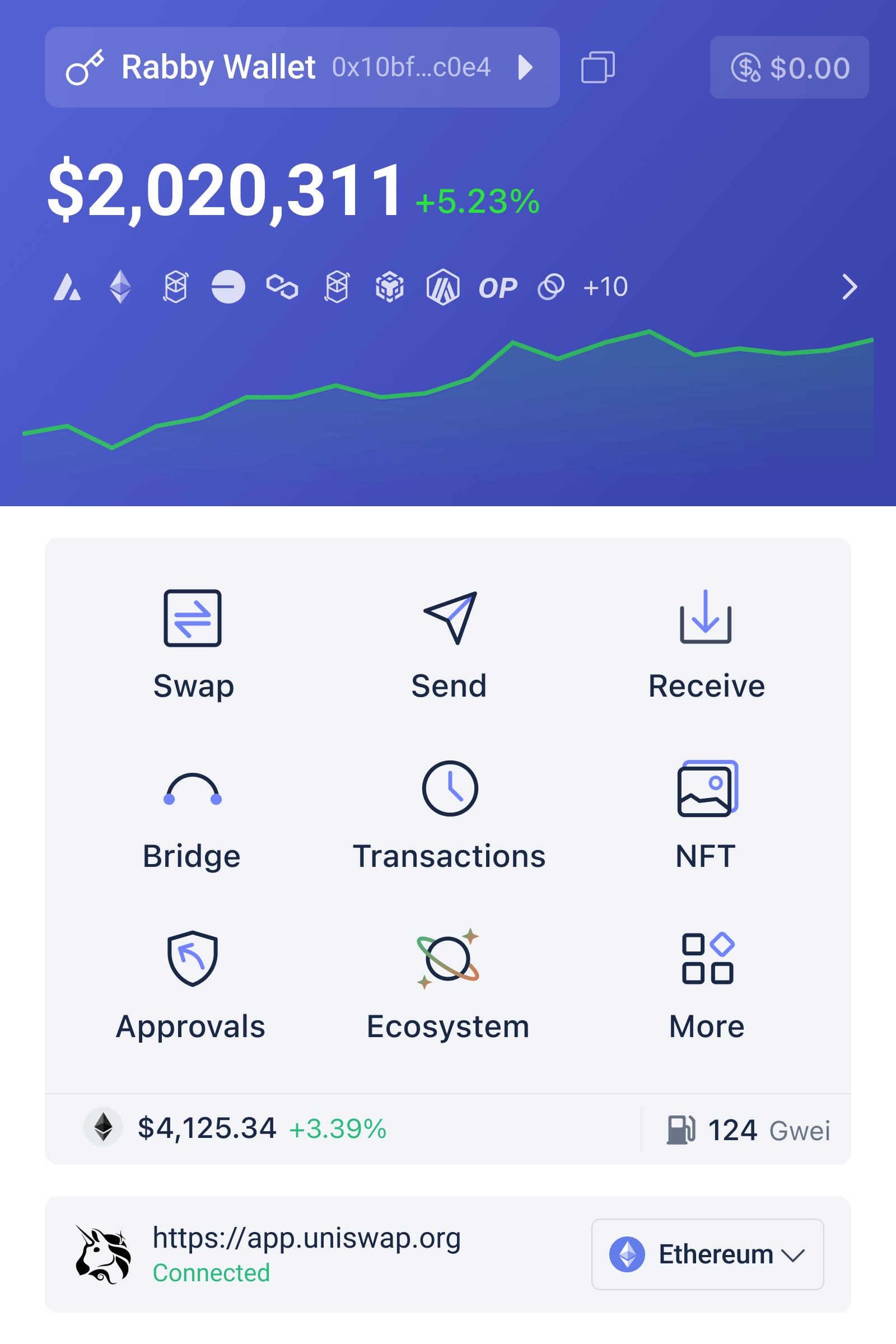
Ein praktisches Beispiel: Du signierst eine MetaMask-Transaktion auf Polygon, denkst du bist auf Polygon — und gibst aus Versehen eine hohe Gasgebühr auf Ethereum frei, weil die UI unklar war. Das kommt überraschend oft vor. Mein Tipp: nutze eine Wallet, die Transaktionen simuliert und Netzwerk-Kontext klar anzeigt. Check this out — eines dieser Tools heißt rabby, und ja, ich habe es getestet. Es ist nicht perfekt, aber die Simulation und die Multi-Chain-Integration haben mir echten Mehrwert gebracht.
Worauf du bei der Auswahl achten solltest
Hier sind die Kriterien, die ich priorisiere — nicht in perfekter Reihenfolge, weil das menschlich wäre, aber in der Reihenfolge, wie sie mir beim Arbeiten auffallen:
— Transaktionssimulation: Kann ich sehen, was passiert, bevor ich signiere? Sehr sehr wichtig.
— Multi-Chain-Support: Wie viele Chains? Wie einfach das Hinzufügen neuer Netzwerke ist?
— UX & Klarheit: Zeigt die Wallet das korrekte Netzwerk, Token-Symbol, und Zieladresse deutlich an?
— Sicherheitsfeatures: Hardware-Integration, Passphrase-Handling, Whitelists, Approval-Management.
— Open-Source & Audits: Transparency matters. Ich vertraue eher Tools mit Audit-Reports.
Meine persönliche Arbeitsweise mit einem Multi-Chain-Wallet
Ich will ganz offen sein: ich habe erstmal Fehler gemacht. Sehr small mistakes, aber teuer. Mein Workflow heute ist simpel und robust.
Erstens: Nutze für größere Summen immer ein Hardware-Wallet in Kombination mit einer Extension als Interface. Mein Kopf sagt: weniger Attack Surface. Mein Herz sagt: das ist lästig, aber nötig.
Zweitens: Simulieren. Immer. Vor allem bei Bridges und neuen Smart Contracts. Wenn die Wallet dir eine klare Simulation bietet, dann vertraue dem Prozess — aber prüfe trotzdem die Adresse manuell. Denn: Phishing ist kreativ und unheimlich.
Drittens: Permissions managen. Ich revoke regelmäßig Approvals, auch von DEXes, die ich noch nutze. Klingt paranoid? Vielleicht. Es hat mich schon einmal gerettet.
Technische Stolperfallen und wie du sie vermeidest
Auf den ersten Blick scheint vieles trivial. Doch es gibt typische Fallen:
— Token-Doppelgänger: Fake-Tokens mit ähnlichen Namen. Mein Trick: Contract-Adresse doppelt prüfen. Kurz, klar — prüfe sie.
— Cross-Chain-Bridges: Nicht alle Bridges sind gleich sicher. Manche haben zentralisierte Signer oder Single-Point-of-Failure. On the one hand sie sind praktisch; on the other hand sie können ein Risiko darstellen, besonders bei großen Transfers.
— Approval-Overreach: Viele Apps fordern «unlimited approval». Nein danke. Setze Limits oder nutze Approvals mit klarer Laufzeit.
Wie rabby in meinen Workflow passt
Okay, real talk: Ich habe rabby ausprobiert, weil ich eine Extension suchte, die Multi-Chain und Transaktionssimulation kombiniert. Spoiler: das ist genau der Use-Case, bei dem es glänzen kann. Meine ersten Eindrücke waren gemischt — die UI brauchte ein paar Minuten Gewöhnung — aber die Simulation hat mir mehrere Fehler erspart. Something felt off the first time, weil ich eine ungewöhnliche Gas-Einstellung sah, aber die Simulation erklärte, warum.
Vorteile, die mir auffielen:
— Klare Simulation vor dem Signieren.
— Multi-Chain-Unterstützung ohne ständigen Netzwerkwechsel in der Extension.
— Praktische UX-Hilfen für Approvals.
Grenzen: Ich bin nicht 100% begeistert von jedem UI-Detail, und Audits sollten immer wieder geprüft werden. Aber als Produktivtool für jemanden, der mehrere Chains nutzt, ist es eine echte Hilfe.
Konkrete Schritte für Einsteiger
Du willst loslegen? Hier eine pragmatische Checkliste, so wie ich sie anwenden würde:
1) Installieren (Browser-Extension oder App). 2) Seed sicher notieren, offline. 3) Kleine Testtransaktion auf jeder Chain machen. 4) Simulation aktivieren (wenn vorhanden). 5) Approvals limitiere n. 6) Hardware-Wallet koppeln, wenn möglich. 7) Regelmäßig Revoke-Checks durchführen.
Häufige Fehler — und wie man sie weglässt
Fehler passieren, aber manche sind vermeidbar:
— Nicht testen: Testnet-Transaktion spart oft echtes Geld.
— Blind unterschreiben: Simulieren. Lesen. Atmen. Dann signieren.
— Alles an einem Ort: Trennung von «Hot» und «Cold» Wallets ist sinnvoll. Ich habe gelernt: mehrere Accounts, unterschiedliche Rollen.
FAQ
Was ist der größte Vorteil eines Multi-Chain-Wallets?
Der Komfort und die Reduktion mentaler Last: du verwaltest mehrere Chains zentral, vermeidest ständiges Netzwerk-Wechseln und hast oft bessere Tools zur Transaktionsprüfung.
Ist es sicher, mehrere Chains in einer Extension zu verwalten?
Es kann sicher sein, wenn du gute Hygiene pflegst: Hardware-Wallet, Seed offline, Transaktionssimulation nutzen und Approvals häufig überprüfen. Aber das Risiko wächst mit der Komplexität — bleib wachsam.
Wie hilft Transaktionssimulation konkret?
Sie zeigt, welche Calls und Token-Änderungen passieren, bevor du signierst. So vermeidest du fehlerhafte Gas-Ausgaben, falsche Approvals oder unerwartete Contract-Interaktionen.
The Impact of Artificial Intelligence on Casino Operations
6 мая 2025Artificial Intelligence (AI) is changing the casino industry by optimizing operations, elevating customer experiences, and upgrading security systems. According to a 2023 study by Deloitte, AI applications are projected to boost operational effectiveness by 30% in casinos over the next five years.
One distinguished figure in this sector is Andrew Ng, a co-creator of Google Brain and a top advocate for AI utilizations across multiple industries. You can learn more about his contributions on his official website. In 2022, Caesars Entertainment executed AI-driven data analysis to tailor marketing tactics, resulting in a 25% growth in customer involvement.
AI is also being used for deception identification and prevention. By analyzing player actions and deal patterns, casinos can identify dubious activities in real-time, significantly minimizing the chance of fraud and economic loss. For more information into AI in the gaming sector, visit The New York Times.
Moreover, AI-powered chatbots are boosting customer assistance by providing immediate support and details to players. These chatbots can process multiple requests at once, ensuring that players receive swift assistance. Explore various services that employ AI technologies at казино на деньги.
As the casino sector continues to embrace AI, it is essential for operators to stay current on the newest advancements. By adopting AI technologies, casinos can not only improve operational productivity but also create a more engaging and secure environment for their patrons.
PINs, Offline Signing, and Seed Backups: Practical Security for Hardware Wallet Users
6 мая 2025Okay, real talk: the hardware wallet is only as strong as the choices you make. Wow—sounds obvious, I know. But I’ve seen neat little mistakes trip people up, and some of them were experienced users. My instinct says most problems come from convenience creeping in. You want to move fast. You want easy recovery. Those two desires often collide with security.
Here’s the thing. A Trezor or any hardware wallet does a stellar job isolating keys. But it doesn’t think for you. If you skimp on PIN hygiene, or stash your recovery seed in a screenshot, you’re asking for trouble. This article walks through realistic, usable defenses around three core areas: PIN protection, offline signing workflows, and robust backup/recovery. I’ll be honest—there’s nuance. Some solutions cost more effort. Some might not fit your threat model. Still, somethin’ practical always helps.
Short version first: use a strong device PIN, keep your signing process air-gapped when possible, and store your recovery seed like it’s the combination to a safe deposit box at a place you only trust with paper and metal. Now the longer version.
PIN Protection: More than just numbers
Most users treat the PIN like a gate. It is that. But the gate’s design matters. For Trezor devices, the PIN entry is randomized and confirmed on-device, which thwarts keystroke loggers and host-side observation. Still, pick your PIN deliberately. Avoid obvious repeats (1111) and birthdays. Use length over complexity: a six- or eight-digit PIN is exponentially better than four digits.
Also—this is a subtle one—resist the urge to store PINs digitally. If you use a password manager, sure, vault it there with strong encryption. But do not keep a plaintext note on your phone or cloud-synced note app. If an attacker has device access and a recovery phrase or physical access, a plaintext PIN removes a layer of friction that could slow them down.
Something else that bugs me: people conflate device PIN and passphrase. They’re different tools. The PIN unlocks the device. A passphrase (used as a hidden-wallet) acts as an additional seed modifier. Use both if you need plausible deniability or compartmentalization, but understand the trade-offs—if you forget the passphrase, that wallet is gone, no exceptions.
Offline Signing: keep the keys off the network
Offline signing is the point of hardware wallets. The private keys sign transactions on the device, and only signatures (not keys) go back to the online computer. Pretty clean. But «offline» means more than just «not logged into email.» Ideally, use an air-gapped environment: a dedicated offline computer or device used solely for building/signing transactions, with removable media or QR codes to transfer unsigned/signed PSBTs (Partially Signed Bitcoin Transactions).
On one hand, that sounds cumbersome. On the other hand, it’s the difference between a targeted attack succeeding or failing. Initially I thought using my everyday laptop in a sandbox would be fine, but after a couple of adversarial experiments I switched to a small, cheap laptop I keep offline. I felt safer immediately.
Practical tips:
- Use Trezor’s official apps (like the trezor suite) or other well-reviewed wallet software that supports PSBT workflows.
- Create unsigned transactions on an online machine, export the PSBT to a clean USB stick or QR, sign on the offline device, and import the signed PSBT back to the online machine to broadcast.
- Keep the offline signer physically secure and minimize its attack surface—no web browsing, email, or random USB sticks.
One more thing: always verify the transaction details on the hardware wallet screen before confirming. Seriously, don’t click through. Rely on the device’s display, not the host’s UI. If the address or amount looks off, stop.

Backup and Recovery: planning for loss without inviting theft
Recovery seeds are the glue that holds your crypto together if the device is lost, destroyed, or corrupted. Treat that seed like currency itself. People get creative—laminating a paper backup, storing a photo, or splitting a seed into parts. Some of those are fine; others are disaster-prone.
Rule of thumb: avoid single points of failure. I split my backup strategy into two layers.
- Primary physical backup: A metal plate stamped with the full seed words (or steel tiles). Fireproof, water-resistant, durable. Keep at least two copies in geographically separated secure locations.
- Redundancy that respects security: Instead of a single cloud copy, I prefer multiple physical copies under different custody—trusted family, safe deposit box, or home safe. If you use a third party, make sure they cannot reconstruct the seed without collusion.
Also: consider using a passphrase-layered hidden wallet for the bulk of long-term holdings. This creates a «secret within the seed.» It’s not for everyone—if you lose the passphrase it’s unrecoverable—but it greatly raises the bar for theft if implemented carefully.
Common mistakes to avoid: photographing your seed, storing it in email, or transcribing to handwriting that is both legible and unique in a way that invites pattern attacks. Don’t write your seed as «my wallet words:» or leave it labeled. Keep it simple and private.
Putting it together: a sample operational checklist
Okay, checklists are boring but useful. Keep this short, keep it realistic.
- Set a strong device PIN (6–8 digits or more). Store it in a secure password manager if necessary.
- Enable a passphrase for hidden wallets if you need extra compartmentalization—but write that passphrase down and store it securely.
- Use an offline signing workflow for large transactions; verify details on-device every time.
- Create multiple metal-backed recovery copies. Store them in separate, secure locations.
- Test recovery on a spare device now and then—don’t discover problems during a crisis.
FAQ
Q: Can I store my seed in a password manager?
A: Technically yes, but it weakens your security unless the password manager is truly secured with a strong master password and 2FA. I don’t recommend putting the seed in a cloud-synced vault or on a phone. If you must, encrypt the seed before storing and treat the encryption key like another secret.
Q: What’s the difference between PIN and passphrase?
A: The PIN unlocks the device; the passphrase creates a separate derived wallet (a hidden wallet). Think of the PIN as the front-door lock and the passphrase as a secret chamber behind the door—you need both for certain defensive patterns.
Q: How often should I test my backups?
A: At least once a year, or after any significant change (new backup method, moving copies, changing passphrases). Testing confirms you didn’t make a transcription error and that your recovery process actually works under stress.
The Rise of Mobile Gaming in the Casino Industry
6 мая 2025Mobile gaming has revolutionized the casino sector, allowing players to enjoy their beloved games whenever and in any location. Since the introduction of the first mobile casino app in 2010, the market has grown substantially, with a report from Newzoo projecting that mobile gaming revenue will exceed $100 billion by 2025.
One of the major players in this transformation is Microgaming, a company famous for its creative mobile gaming offerings. Their devotion to mobile improvement has set a standard for other developers. You can learn more about their input on their official website.
In 2023, the implementation of 5G technology has also improved the mobile gaming interaction, delivering faster download rates and reduced latency. This advancement permits for seamless gameplay and top-notch graphics, making mobile casinos more attractive to a wider audience. For more insights into the influence of mobile innovation on gaming, visit Gaming Today.
To maximize your mobile gaming interaction, players should evaluate a few practical tips. First, ensure that your device is fit with the latest apps and enhancements. Second, take advantage of bonuses and promotions specifically tailored for mobile users. Lastly, always play on safe networks to safeguard your personal details. Investigate more about these strategies at pin-up oyunu.
As mobile gaming continues to progress, the outlook looks bright for both players and developers. With continuous advancements in innovation and game design, mobile casinos are set to become an even more integral part of the gaming scene.
Logging into Bybit and Getting Comfortable with Derivatives & Futures
1 мая 2025Okay, so picture this: you open your laptop on a slow Tuesday morning, coffee in hand, and you’re ready to trade. Whoa! The login screen stares back. Simple, right? Not always. My instinct said the first 10 minutes of any session reveal more about your edge than an hour of charts. Seriously.
Let me be blunt—access is the gateway, but the real work begins after you’re in. I’ve been trading derivatives for years, and somethin’ about the login step still trips up smart folks. Two-factor issues, forgotten passwords, weird browser extensions—little frictions that cost time and attention, and attention is your competitive advantage in futures trading.
Short checklist before you click «login»: enable 2FA. Use a hardware or app-based authenticator. Avoid SMS-only 2FA if you can. Keep your recovery keys somewhere safe—offline preferably. Oh, and don’t use the same password across exchanges. Yep, that still happens.
Secure access and the official Bybit login
When you need to head straight to the exchange, go via the verified portal. For convenience, here’s the bybit official site login link to help you get there—bookmark it if you trust the source. Start there rather than random search results. Phishing is real. Really.
Initially I thought browser-only workflows were fine, but then I learned the hard way: browser extensions can leak. Actually, wait—let me rephrase that—use a cleaned browser profile for trading, or a dedicated browser just for exchanges. It’s a small habit that prevents big headaches.
Now for derivatives basics. Futures and perpetuals let you express views with leverage. Short-term scalps, medium-term swings, or hedging positions—derivatives are flexible. On one hand leverage increases returns, though actually it also magnifies risk. That contradiction is the essence of derivatives trading: opportunity wrapped in hazard.
Perpetuals trade without expiry. Futures have set expiration dates. Funding rates align perpetuals to spot over time. Watch funding like a tax on your position—sometimes small, sometimes sizable. My traders know to check funding every 8 hours and factor it into expected P&L on longer trades.
Cross margin versus isolated margin. Cross shares collateral across positions. Isolated caps exposure per position. Use isolated when you want to limit blowups. Use cross when you need margin efficiency, but be careful—cross can eat your entire account if a big move happens while you’re distracted (oh, and by the way, market gaps happen overnight).
Order types matter. Market, limit, conditional/stop orders—learn them. A limit order can get you a better fill. A stop-market saves you time in panic. And iceberg or TWAP-like advanced options exist for big sizes. I’ll be honest: I prefer limit entries for routine trades, but I keep stop-market orders for emergency exits. Habits like that save accounts.
Funding and liquidation mechanics deserve a paragraph. Futures exchanges set margins and maintenance margins. Leverage increases margin requirement sensitivity. Use a conservative leverage number—20x is not the same as 3x. Your psychology changes with higher leverage. You react faster. Sometimes too fast. Something felt off about that frenetic pace when I first went deep into high-leverage trades.
Risk management is basic but ignored. Position size rules—risk a fixed percent per trade, set stop losses, and plan for slippage. Trailing stops for winners. Reduce size into resistance zones. Manage correlation risk; many altcoins move with BTC. If BTC squeals, your alt exposure might disappear. On the other hand, sometimes alts decouple—watch for that.
Fees and funding: calculate the round-trip cost. Maker rebates can matter for high-frequency traders. Funding can invert directionally; you might be paying to hold a short if market bias is strong. Factor these into expectancy.
Regulatory note for US-based traders: KYC and residency rules vary. Be sure you’re compliant. Some derivatives products have restrictions for residents of certain states. I’m not a lawyer, and this is not financial advice—but verify the rules for your specific place before you trade big.
Common questions traders ask
Q: What if I can’t log in due to 2FA loss?
A: Use the recovery codes you stored. Contact support if you lost them—prepare to provide KYC and provenance info. It can take time, so keep backups and treat recovery like insurance.
Q: Is high leverage a good idea?
A: High leverage amplifies both gains and losses. If you’re learning, keep leverage low, and size positions to the volatility of the instrument. Practice on testnet if available. Seriously—testnet saved me a painful lesson early on.
Q: How do funding rates affect strategy?
A: They shift your holding cost. If funding is positive and you’re long, you pay; if negative, you receive. For carry trades or mean-reversion plays, funding dynamics can swing a strategy from profitable to loss-making.
Why a truly private XMR wallet still feels like a secret handshake
30 апреля 2025Okay, so check this out—privacy in crypto is weirdly personal. Wow! You can read a whitepaper and still miss the point. My instinct said privacy meant «hide everything,» but then I dug into Monero’s tech and realized it’s more about plausible deniability and design choices that default to privacy. Initially I thought bigger ring sizes were the whole story, but actually, the UX and wallet choices matter just as much.
Here’s the thing. Really? The moment you pick a wallet you change your threat model. Short sentence. Most people think «cold storage versus hot wallet» and stop there. But that misses stealth addresses, view keys, and the operational patterns that leak data. On one hand the protocol gives you strong primitives. On the other hand, user behavior can undo a lot… and that part bugs me.
I’ve been around Monero forums and privacy chats long enough to notice patterns. Hmm… sometimes somethin’ small makes the biggest difference. For example, reusing the same sending pattern across exchanges or public forums can create obvious correlations even if the chain data is private. It sounds annoying. It is annoying.
Let’s break the essentials down without getting into evasion tactics or sketchy advice. Whoa! First, a secure wallet is about key custody: where you store your seed and view keys, who can access them, and whether the wallet leaks metadata when it connects to the network. Medium sentence here. Then there’s transaction construction: stealth addresses, ring signatures, and confidential amounts—these are the protocol bricks that give Monero its privacy properties. A longer thought now that ties them together: when your wallet and the protocol align—meaning it constructs transactions locally, minimizes external queries, and refuses to broadcast unnecessary metadata—you get privacy that’s durable over time, not just a headline feature.

Wallet types and what they leak (in plain English)
Hot wallets are convenient. Wow! They often trade convenience for exposure because they connect to nodes and may leak IP-level metadata unless you take extra steps. Medium sentence. A cold wallet holds keys offline and reduces many attack vectors, though it shifts the trust question to whoever physically protects the device. Longer sentence that explains: choosing a hardware wallet that integrates well with Monero or an air-gapped setup preserves the cryptographic privacy features but requires careful operational discipline to avoid accidental disclosure of transaction graph or timing information.
Full-node wallets provide the best privacy by removing reliance on third-party nodes. Really? Yes. They keep your queries local and verify blocks yourself. But they need disk space and bandwidth. I’m biased, but running a node is one of the single best privacy moves for an enthusiast.
If you prefer lighter options, some wallets let you connect to trusted nodes or use remote nodes. Hmm… that introduces trust into the equation. Short sentence. You’re effectively telling another machine about your activity, and unless that machine is under your control, metadata can leak—like which outputs you care about or when you broadcast. That doesn’t mean remote nodes are catastrophic. It just means you should pick them carefully and understand the trade-offs.
Stealth addresses, view keys, and practical privacy
Stealth addresses are elegant. Whoa! They let every payment look unique on-chain while only the recipient can recognize and spend the funds. Medium sentence. View keys, on the other hand, let someone see incoming payments without the ability to spend—useful for audits or selective disclosure. Longer thought: sharing a view key with a service is a legitimate operational choice, but it narrows your privacy boundary because that entity now has a partial lens into your finances.
Something felt off about how casually people trade view keys. I’m not 100% sure why that’s normalized. Short sentence. If a merchant asks for a view key for refunds, for example, weigh the relationship and future implications. Also, remember that combining view-key disclosures with IP data or forum posts can create re-identification vectors, even though Monero obscures amounts and linkability in the raw protocol.
Operational tips that respect the law and your ethics
Be smart, not paranoid. Wow! Use deterministic seeds and back them up offline. Medium sentence. Use strong passwords for wallet files and consider hardware keys where supported. Longer thought: avoid publicly pairing a persistent identity—like a single email or social handle—with repeated Monero addresses or clearly timed transactions that line up with public statements or marketplace activity.
I’ll be honest—some recommendations sound preachy, and they are. But they’re practical. Short sentence. Never, ever share your private spend key. Ever. Medium sentence. The view key is shareable when you need selective transparency, but treat it like giving someone the receipts for a month—it’s limited and contextual.
Also, run your own node when possible. There, I said it. It takes time and a bit of technical patience, but the reduction in metadata leakage is real. If you can’t, prefer trusted community nodes or privacy-preserving network layers such as Tor or I2P when broadcasting transactions. This is not a magic shield though—timing and behavioral patterns still matter.
Why UX still trumps pure tech
Monero’s primitives are powerful. Really? Absolutely. But a wallet with a baffling UX leads people to make mistakes. Short sentence. People mis-copy seeds, reuse addresses, or export keys to third-party tools out of frustration. Medium sentence. So the privacy promise is only as good as the wallet’s design and the user’s mental model—which means developers and wallet maintainers carry a heavy burden to make privacy usable without inviting errors.
On one hand protocol improvements can harden privacy. On the other hand user education and better onboarding often make a bigger practical difference for everyday users. Initially I thought this was obvious, but then I watched new users struggle and realized how subtle the pitfalls are. Longer sentence reflecting on that: designing clear, human-centered wallet flows—like explicit warnings before sharing keys, one-click backups that are offline-friendly, and sane defaults that favor privacy—would prevent far more leaks than yet another cryptographic tweak that only a developer notices.
Common questions people actually ask
Is Monero truly anonymous?
Short answer: Monero is privacy-focused and provides strong on-chain anonymity features like stealth addresses and ring signatures. Medium sentence. No system is perfect and anonymity depends on how you use it—your operational security, network choices, and the data you share off-chain all affect outcomes. Longer thought: for many users, Monero offers practical anonymity against routine blockchain analysis, but you should combine good habits with the protocol’s tools to sustain privacy.
Which wallet should I use?
Pick a wallet that matches your needs—full-node for top privacy, hardware for shared security, or trusted light wallets for convenience. Wow! Consider running a local node or using Tor/I2P when you can. Medium sentence. If you want a starting place for official clients and downloads, visit the community-backed site like xmr wallet to explore options and verify releases—only use links from trusted sources and verify signatures when possible. Longer caveat: always validate downloads and be wary of third-party binaries that lack reproducible builds or clear provenance.
Is it illegal to use privacy coins?
Using privacy-preserving tools is legal in many jurisdictions, but regulators have raised legitimate concerns. Short sentence. I’m not a lawyer, so check local laws. Medium sentence. Ethically and practically, privacy tools are used for both lawful privacy and illicit ends, so stay informed and avoid activities that cross legal lines—privacy is a tool, not a shield for wrongdoing.
Why NFC Backup Cards Are the Quiet Revolution in Blockchain Security
29 апреля 2025Whoa!
I got my first NFC backup card last year, and it changed how I think about cold storage. I’m biased—wallet tech has always excited me, but this felt different. The card fit my palm and my gut said this could work for regular people. Initially I thought hardware wallets would always be tiny metal bricks that only crypto nerds could handle, but then I realized smart-card NFC devices can be as intuitive as tapping a subway card while still keeping keys inside a certified secure element with strict signing rules.
Seriously?
NFC isn’t new, yet its role in private-key protection is often underrated. For many users, the friction around seed phrases is the real attack surface. On one hand you can memorize a passphrase or store it in steel, though actually those approaches reintroduce human error or invite physical attack unless you pair them with hardware that enforces rate limits and PIN protections. My instinct said that marrying NFC ease with hardware-secure elements would solve many practical problems without scaring off normal folks.
Hmm…
Backup cards turn that concept into a practical, pocketable reality for everyday users. You tap, confirm on your phone, and the private key never leaves the card’s secure zone. There’s nuance though—depending on the card’s architecture, firmware auditability, entropy sources, and the recovery flow, vulnerabilities can still creep in, which is why chain-level best practices must be paired with device provenance and transparent manufacturing. I’ll be honest, supply chain concerns bug me more than most headline hacks.
Here’s what bugs me about smart card narratives.
Folks love to hype convenience while glossing over onboarding for non-technical people. Ok, so check this out—if your backup card needs a multi-step app setup or a weird QR dance, casual users bail fast. Initially I thought a single-card solution would be enough, but after walking several friends through the process and watching their hesitation, I realized the ecosystem needs clear onboarding, robust offline backup options, and recovery flows that don’t force users into handholding or risk. On the bright side, a few vendors now publish reproducible build logs and third-party audits that actually raise confidence.
Whoa!
I tried a couple of different models in various pockets, and the differences were tangible. Some cards feel like polished consumer products; others were frankly awkward and clumsy. Oh, and by the way… somethin’ as small as button placement can break the UX for someone who’s anxious about losing money. I’m not 100% sure every feature will matter to you, but trying a device in the wild helped me see which trade-offs were acceptable and which were dealbreakers.

How to pick a practical NFC backup card (and where to read more)
Whoa!
Look for these essentials: an audited secure element, reproducible firmware, a sensible recovery flow, and clear multi-coin support. I spent hands-on time comparing vendors, and what I like about the best smart-card designs is how they balance a sealed secure element, intuitive UX, and backup workflows that allow simple recovery without exposing seeds—more on one such hardware wallet design is available here. Okay, so check this out—practice your recovery before you need it, diversify backups across locations, and prefer vendors that publish audits even if that means paying a bit more for peace of mind.
FAQ
Can an NFC backup card replace a hardware wallet?
Short answer: maybe. NFC cards can offer equivalent isolation if they use a certified secure element and enforce signing policies, but implementation matters. Initially I thought they would be a one-size-fits-all replacement, but then realized that for some advanced multisig setups or developer workflows, a dedicated hardware device with a richer UI still wins.
What about loss, theft, or damage?
Design your recovery strategy before you buy. Use multiple backups in different trusted locations, practice restores, and consider combining a card with a steel backup or multisig arrangement. Seriously, the tech is only as strong as your procedures—so rehearse them once, twice, until they become muscle memory.