Okay, so check this out—I’ve been fiddling with Solana wallets for a while. Wow! The speed is the first thing that hits you. Transactions feel instant, and that alone makes DeFi flows way less painful than on some other chains. Initially I thought «it’s just another wallet», but then I watched an NFT drop sell out in seconds and my whole take shifted. Seriously?
Here’s the thing. Wallets are the UX layer between you and the blockchain. They gatekeep your keys, they present fees, and they decide how easy it is to interact with apps. My instinct said this matters more than we admit. On one hand the tech is a big deal, though actually a lot comes down to small design choices that either help or hurt everyday users. Some choices make transact-and-forget seamless; others make you feel like you need a degree in cryptography. I’m biased, but the best browser extensions try to hide the complexity while keeping you in control.
DeFi on Solana is fast and cheap. Hmm… that reduces friction for testing strategies. But that also raises new UX risks: faster confirmations mean you need to think quicker about approvals and swaps. Initially I thought low fees would automatically make everything better, but I realized that cheaper transactions can encourage sloppy behavior—like approving too many spending permissions. Actually, wait—let me rephrase that: cheaper gas removes a cost barrier, so mistakes that used to be expensive become trivial, and that changes user behavior.
Practical differences: DeFi wallet vs SOL wallet vs NFT wallet
Short version: they overlap, but the emphasis is different. A DeFi wallet makes it easy to connect to DEXs, route transactions, and manage token approvals. A SOL wallet centers on sending/receiving SOL and staking. An NFT wallet focuses on token metadata, previews, and marketplace integrations. My first impressions were vague, but after using a few browser extensions my view sharpened—some wallets treat NFTs as second-class citizens, while others bake gallery views right into the popup.
Too many wallets assume everyone’s a power user. That bugs me. You want clear balances, readable fees, and obvious approval flows. You also want good defaults for security, like auto-lock after idle time and easy seed backup reminders. (Oh, and by the way… little UX touches like showing image previews in the popup matter a lot during drops.)
One practical tip: always pin a trusted extension in your browser and use browser profiles for different on-chain roles. Seriously. Keep one profile for everyday browsing, another for high-value DeFi trades, and maybe a third for NFT collectors’ drops. This isn’t perfect security, but it reduces accidental cross-site approvals and keeps cookie-level leakage at bay.
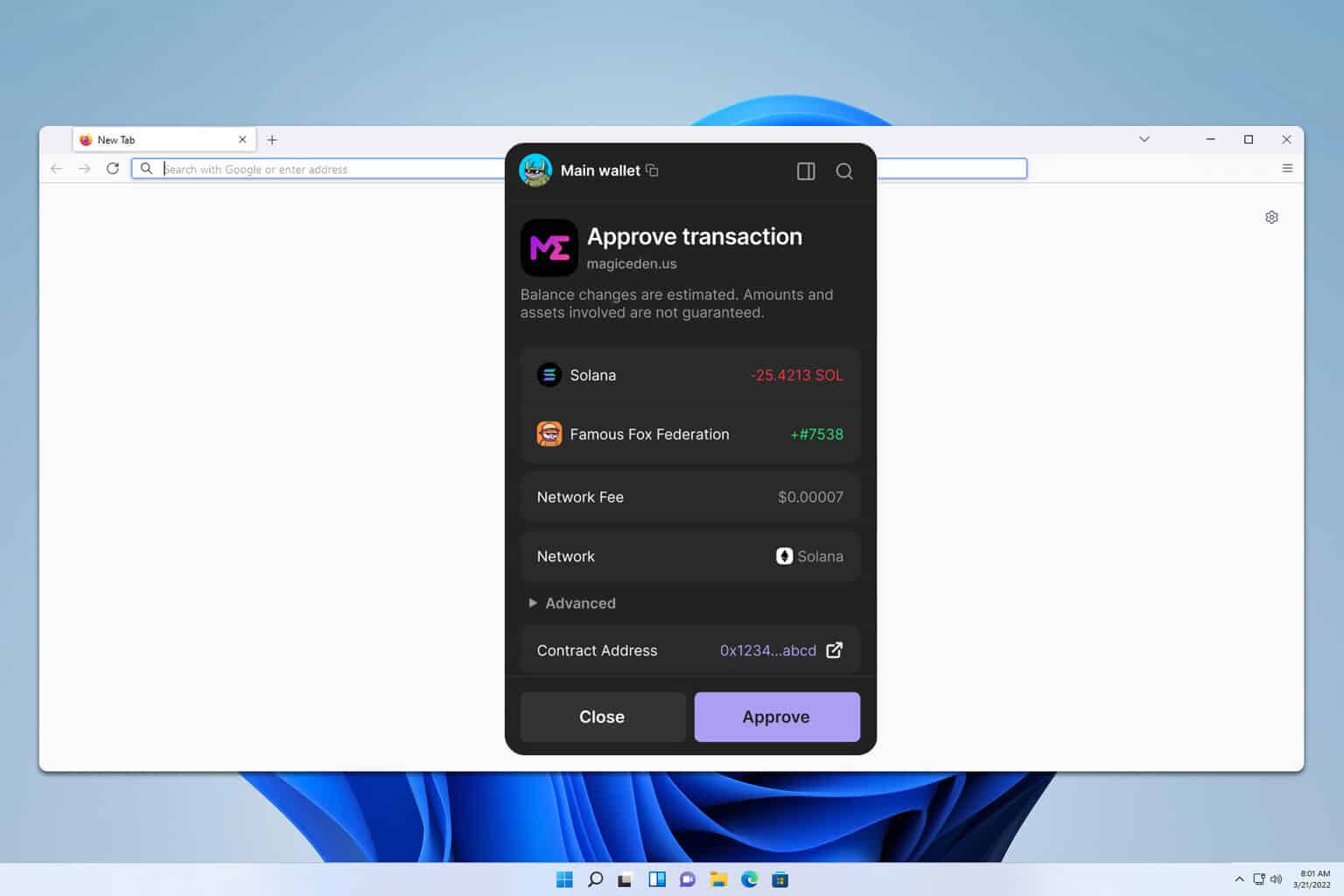
When I first set this up I made mistakes—very very important learning. I approved a token I didn’t fully vet and had to revoke it later. That whole moment made me rethink how I grant permissions. So now I habitually check spending limits, and I prefer wallets that clearly show contract addresses and exact permit scopes before I hit «Approve».
User experience: what a browser extension must nail
Fast connections to dApps. Clear transaction intents. Human-readable warnings. Those are baseline. But there’s more. Wallets should offer a simple flow for adding custom tokens, an easy seed phrase export with strong prompts, and friendly onboarding that doesn’t assume prior knowledge. Hmm… I want a wallet that teaches without being preachy. Something like a pocket mentor for on-chain actions.
Keep the UI uncluttered. Include explanatory microcopy. Offer a transaction simulator or an estimated final output line after slippage. These small things reduce cost-of-error and make users feel confident. On Solana, where speed encourages quick action, confidence translates into better outcomes and fewer regrets.
Security features matter, too. Two-factor UI confirmations (like requiring a secondary confirmation on large transfers) feel useful though they add steps. Hardware wallet compatibility is crucial—pairing a browser extension to a ledger-style device is the best way to balance convenience with custody security. I’m not 100% sure about every hardware flow; some vendors do it better than others, and the integration can be clunky, but it’s doable and worth the effort.
Why I recommend trying phantom for everyday Solana use
I’ve used several extensions, and one that keeps coming up in conversations and in my own tests is phantom. It nails basics like token management and NFT previews, and its UX is tuned for speed. That makes it a solid pick for newcomers and power users who want low-friction access to Solana DeFi. My take: it’s not flawless, but it’s polished enough that you can focus on the app instead of wrestling the wallet.
What I like about well-built extensions is how they surface important details—like exact contract addresses—without bombarding you. What bugs me is when wallets hide the fine print. Also, I appreciate options to disconnect sites and revoke approvals directly in the UI; somethin’ like that saves headaches later.
One caveat: never click approvals on sites you don’t trust. Sounds obvious, but social engineering is clever. I once nearly approved a fake auction UI because the artwork looked real and the copy was convincing—lesson learned. Slow down, verify domain names, and double-check contract addresses when possible.
FAQ
What’s the fastest way to secure my seed phrase?
Write it down on paper and store it in a safe place. Don’t screenshot it. If you prefer a more durable option, use a metal backup plate. Seriously—your phone is not a secure backup. Also consider splitting the phrase across trusted locations and use a hardware wallet for routine large-value actions.
Are browser wallets safe for NFTs?
Yes, with caveats. Browser wallets are great for browsing, quick buys, and drops. But for high-value NFTs or long-term storage, consider pairing the extension with a hardware wallet or keeping the asset in a cold storage solution. Trust but verify—gallery previews help, but provenance and contract checks are crucial.
How do I minimize risky approvals?
Set low spending limits where possible, review transactions before confirming, and use wallets that show the exact contract calls. Use separate profiles or accounts for different activities to reduce blast radius if something goes wrong. Also, periodically revoke old approvals—it’s an easy habit and it helps a lot.
Alright, to wrap this up—well not a formal wrap, but a reality check—browser extensions on Solana are the primary interface most people will use, and they shape behavior more than we often admit. Initially I thought tech alone would solve UX problems, but user habits matter hugely. On one hand the ecosystem is brilliantly fast and cheap; on the other hand that very advantage demands smarter UX and better user habits.
I’m optimistic. The tools keep improving, and if wallets keep focusing on clarity, safety, and sensible defaults, everyday users will benefit. Keep experimenting, keep backups, and don’t be afraid to slow down when a transaction feels off. Hmm… you’ll thank yourself later.